Difference between perfume and cologne: concentration, longevity and intensity
The difference between perfume and cologne does not depend only on the smell. Aromatic concentration, longevity on the skin, sillage intensity and the moment of use also matter. Understanding these concepts helps customers choose better and allows stores and distributors to explain fragrances with greater precision.
In everyday language, many people call any fragrance “cologne”, but in perfumery there are different concentrations. Eau de cologne, eau de toilette, eau de parfum and a more concentrated perfume are not the same. Each format responds to a different way of wearing fragrance.
For professional selling, this explanation is important because it reduces doubts before purchase. Customers do not always ask about concentration, but they do want to know how long the fragrance lasts, how noticeable it is and whether it is better suited to daily wear, work, gifting or evening use.
What is a perfume?
A perfume usually has a higher aromatic concentration than a cologne. That is why it is perceived with greater intensity, can last longer and leaves a more noticeable sillage. It is often recommended when the customer wants presence, fixation and a more recognisable olfactory identity.
This does not mean it is always the best option. An intense perfume can feel excessive in some contexts, especially in enclosed spaces, offices or very hot days. The key is to choose the intensity according to the use.
What is a cologne?
Cologne is usually associated with lighter, fresher and more volatile fragrances. It offers an immediate sense of cleanliness, but normally needs reapplication if the customer wants to maintain the scent for many hours.
Its shorter longevity should not be interpreted as an absolute disadvantage. For many people, cologne is comfortable precisely because it is discreet, easy to wear and suitable for everyday use.
What is the difference between eau de parfum and eau de toilette?
Eau de parfum usually has a higher aromatic concentration than eau de toilette. For this reason, it normally offers more longevity and intensity. Eau de toilette, on the other hand, is usually lighter and easier to apply in daily contexts.
The choice depends on the customer profile. If the customer wants a fragrance that lasts better throughout the day, eau de parfum may be the right option. If they prefer freshness, lightness and easy reapplication, eau de toilette may fit better.
- Cologne: fresh, light and easy to reapply.
- Eau de toilette: balanced for daily wear.
- Eau de parfum: more intense and longer-lasting.
- Perfume: higher concentration and stronger olfactory presence.
What lasts longer, perfume or cologne?
Perfume normally lasts longer because it contains a higher proportion of aromatic compounds and usually relies on more persistent base notes. Woods, musks, amber, vanilla, leather or resins help prolong the perception of the fragrance.
Cologne usually evaporates earlier because it is designed to provide immediate freshness. It can be a good choice after a shower, in summer or when the customer prefers a softer scent.
Which intensity suits each moment of use?
For everyday use, fresh, clean, citrus, light floral or aquatic fragrances tend to work well. For evening, events or colder seasons, many customers prefer more intense perfumes with woody, spicy, oriental or gourmand profiles.
In-store, a simple way to guide the sale is to ask first about the use: work, daily wear, gift, summer, evening or event. Then the right intensity and olfactory family can be recommended.
How can the difference be explained in a store or ecommerce?
In ecommerce, technical terms should be translated into clear benefits: how long it lasts, how it is perceived, when it is used and what feeling it conveys. In a physical store, a brief explanation can significantly improve the purchase decision.
For professional businesses, the wholesale perfumes category makes it possible to work with different fragrance families and intensities to build a balanced offer according to audience, season and sales channel.
Does the format influence how a perfume is perceived?
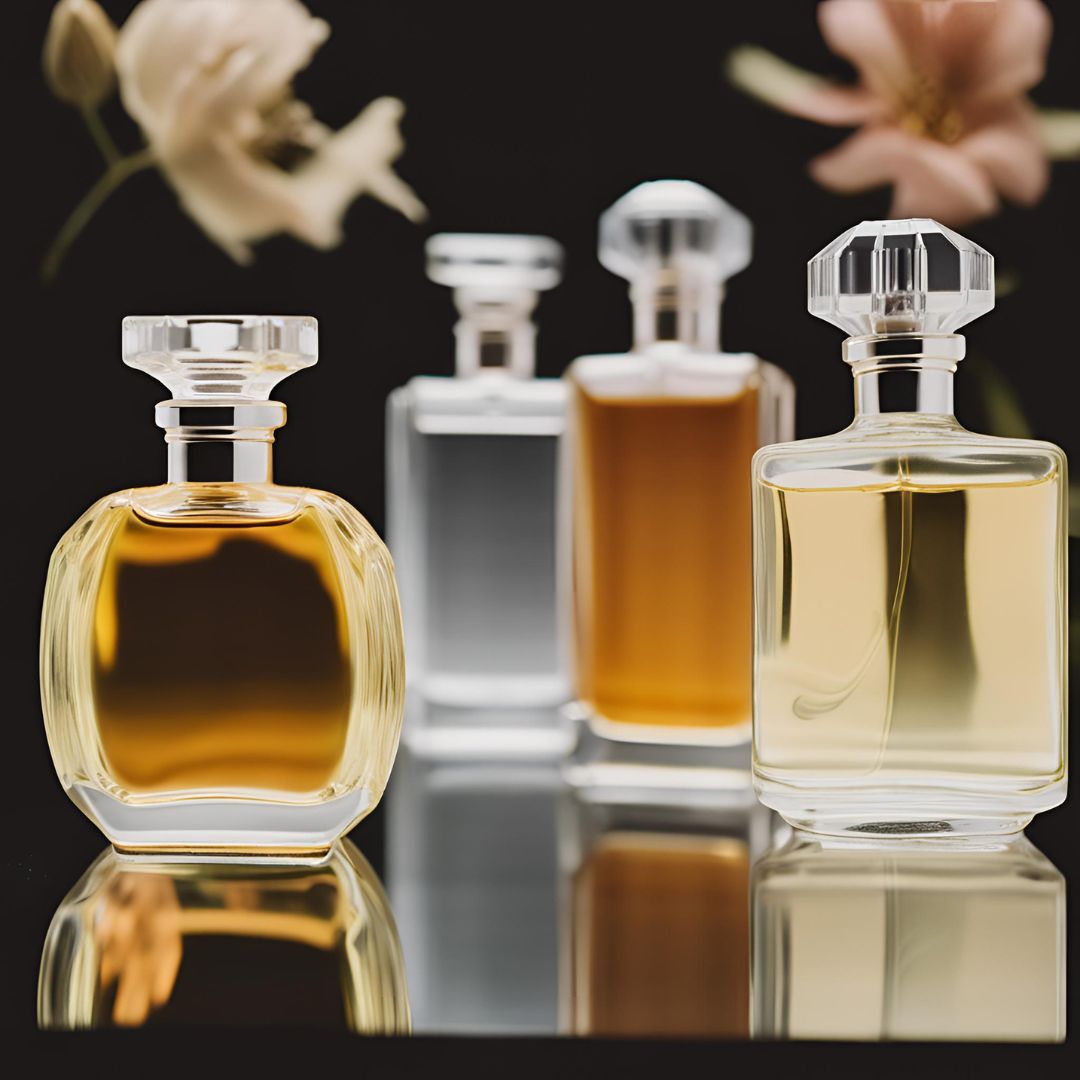
Yes. Concentration is important, but presentation also influences how a fragrance is perceived. The bottle, sprayer, size and label help communicate whether the product is more practical, more premium, more youthful or more gift-oriented.
That is why, when working with perfumery for professional sales, it is also important to take care of the perfume bottles and the final product presentation.
Frequently asked questions about perfume and cologne
What lasts longer, perfume or cologne?
Perfume normally lasts longer because it usually has a higher aromatic concentration and more persistent base notes.
Is cologne worse than perfume?
No. Cologne is lighter and fresher. Perfume is more intense and long-lasting. The best option depends on use and customer preference.
What is best for daily use?
For daily use, fresh fragrances, eau de toilette or perfumes applied in moderation usually work well.
What should a store recommend?
A store should recommend according to occasion, desired intensity, olfactory family and time of year. This makes the choice more useful for the end customer.




Comments (0)